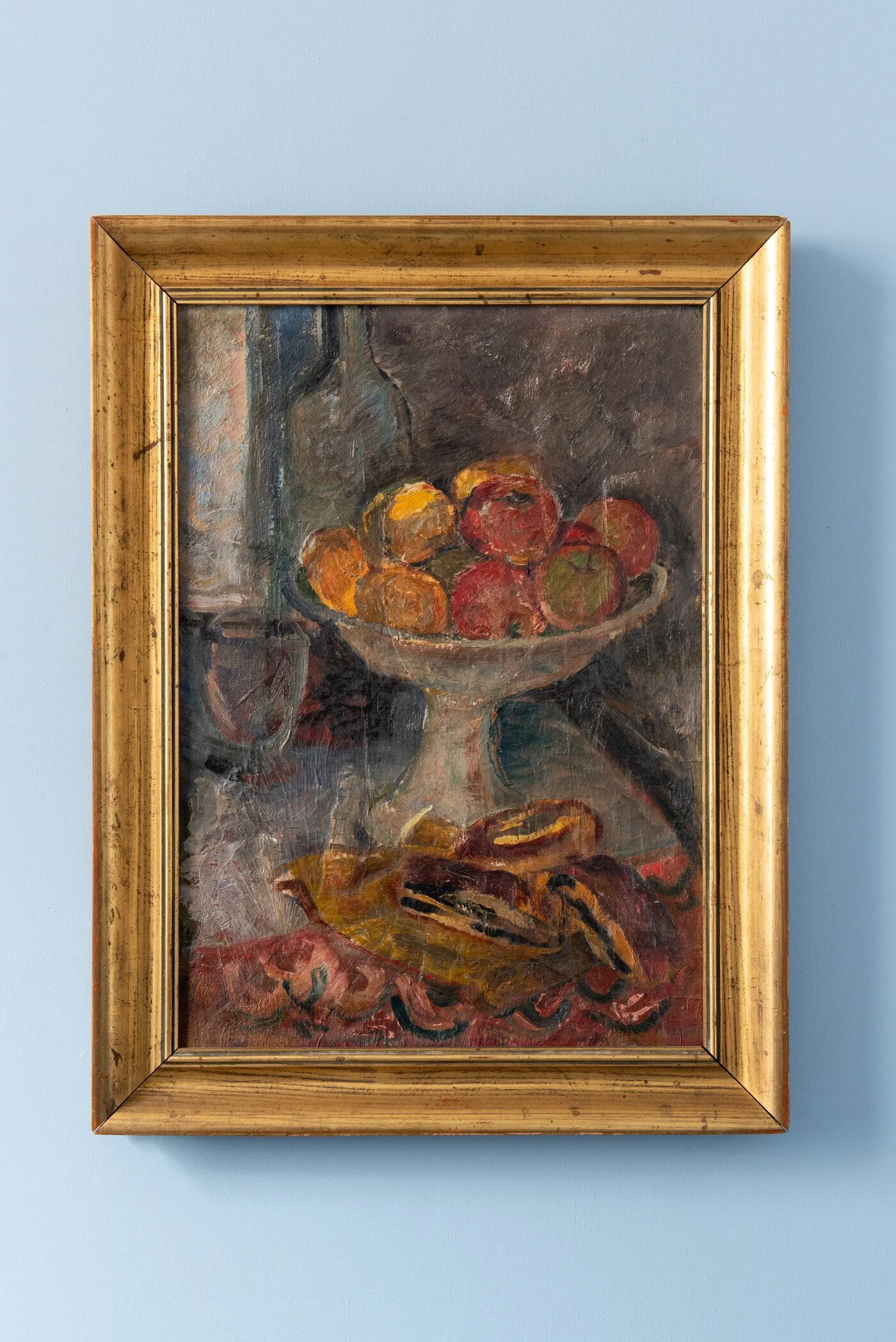
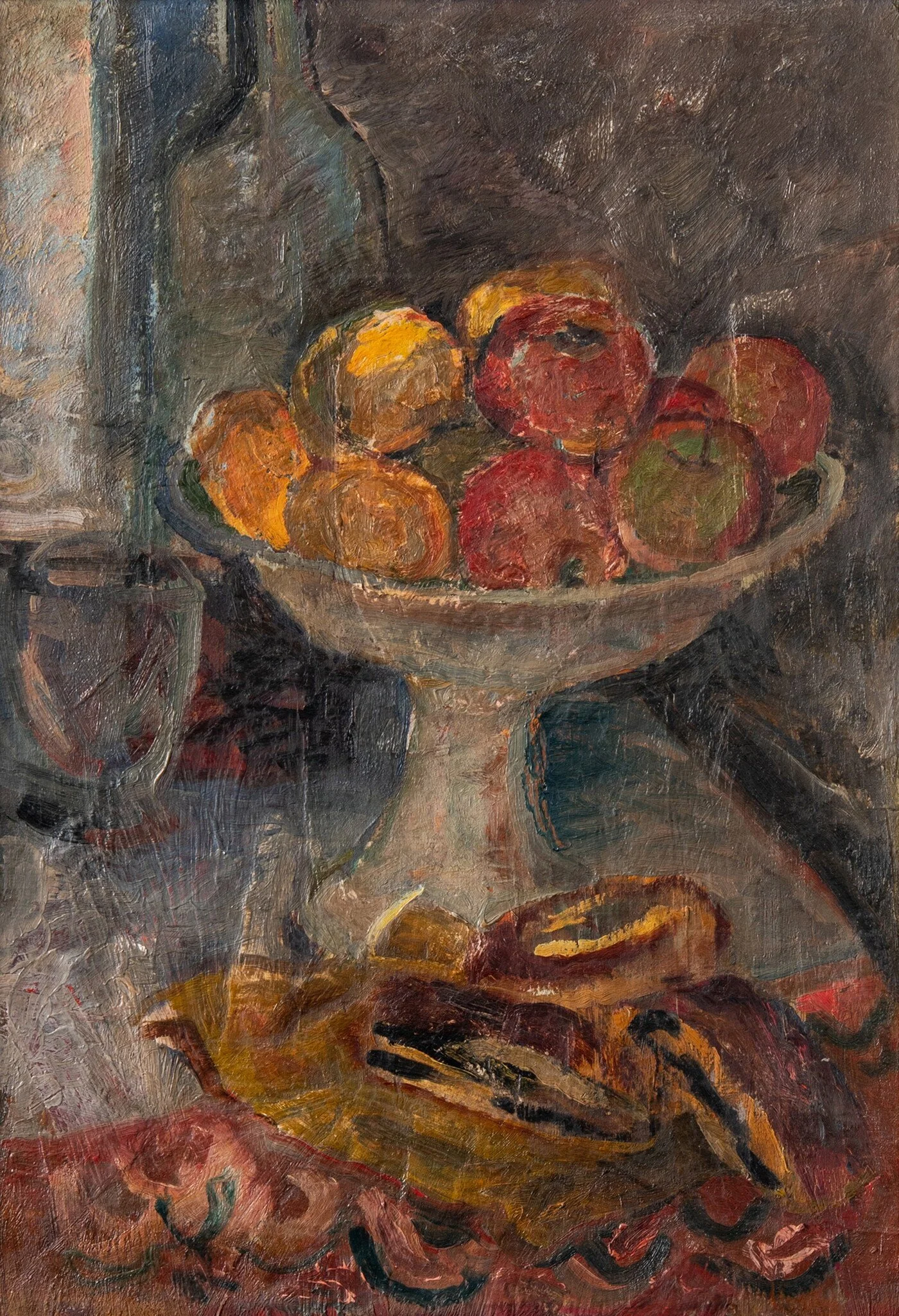
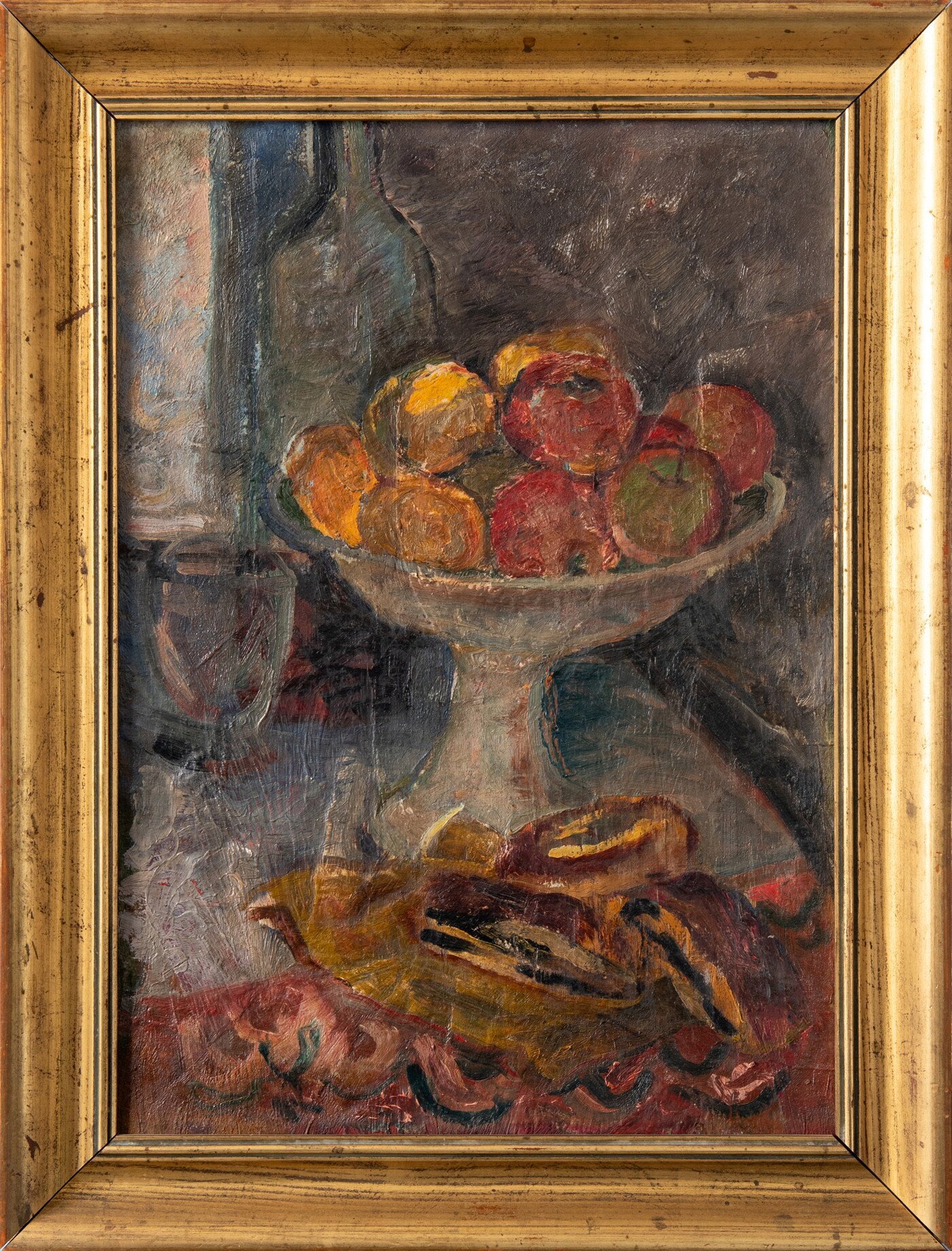
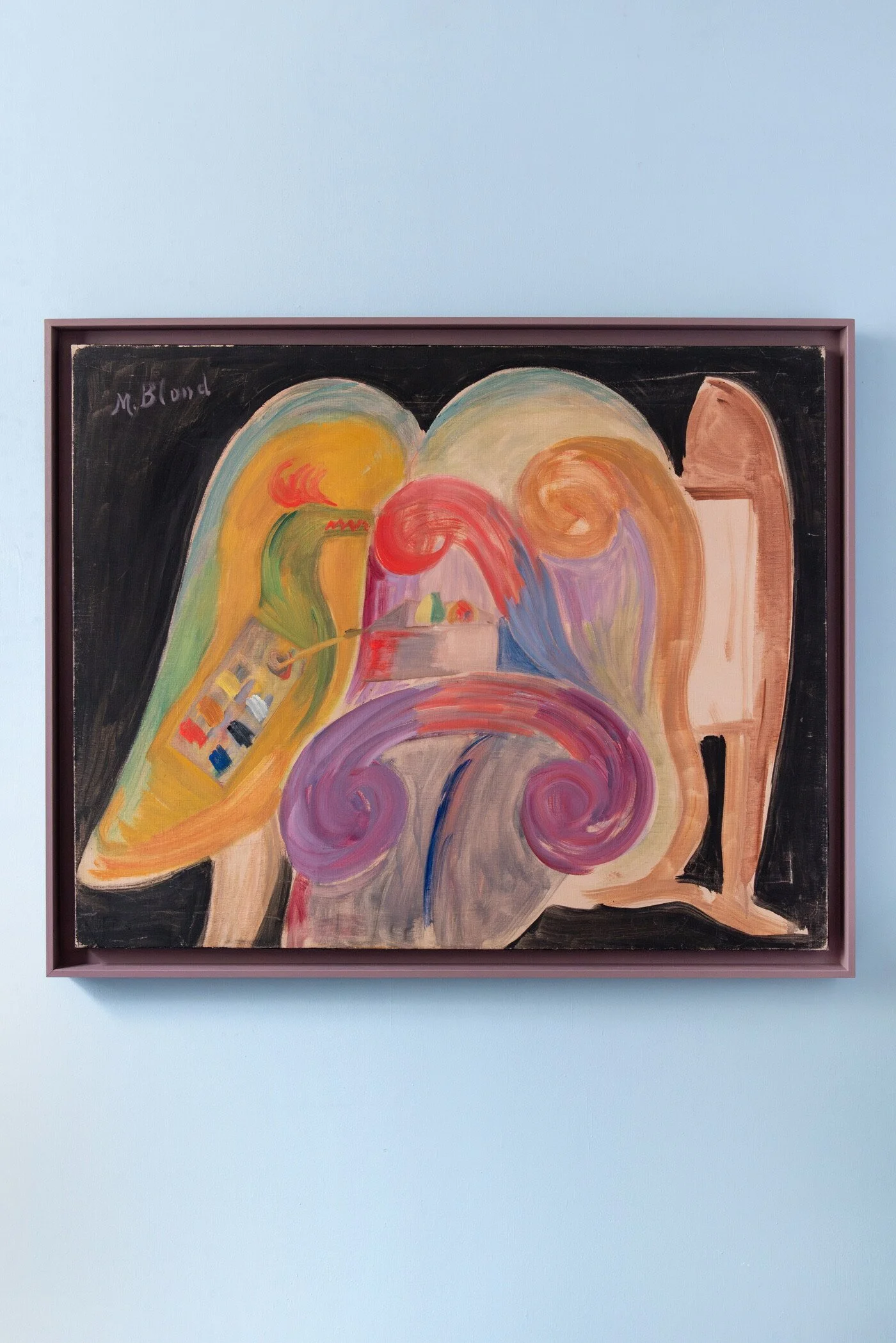
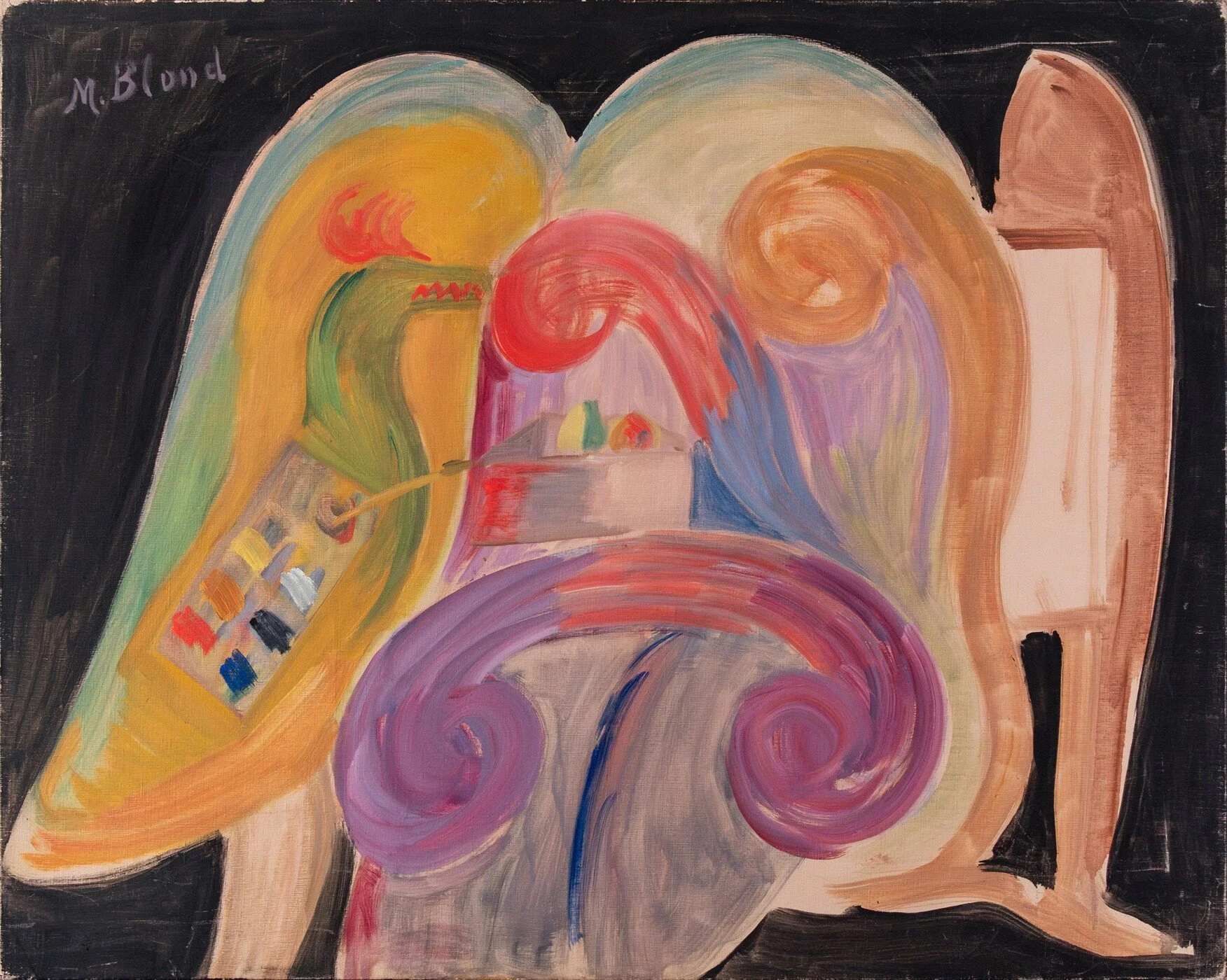
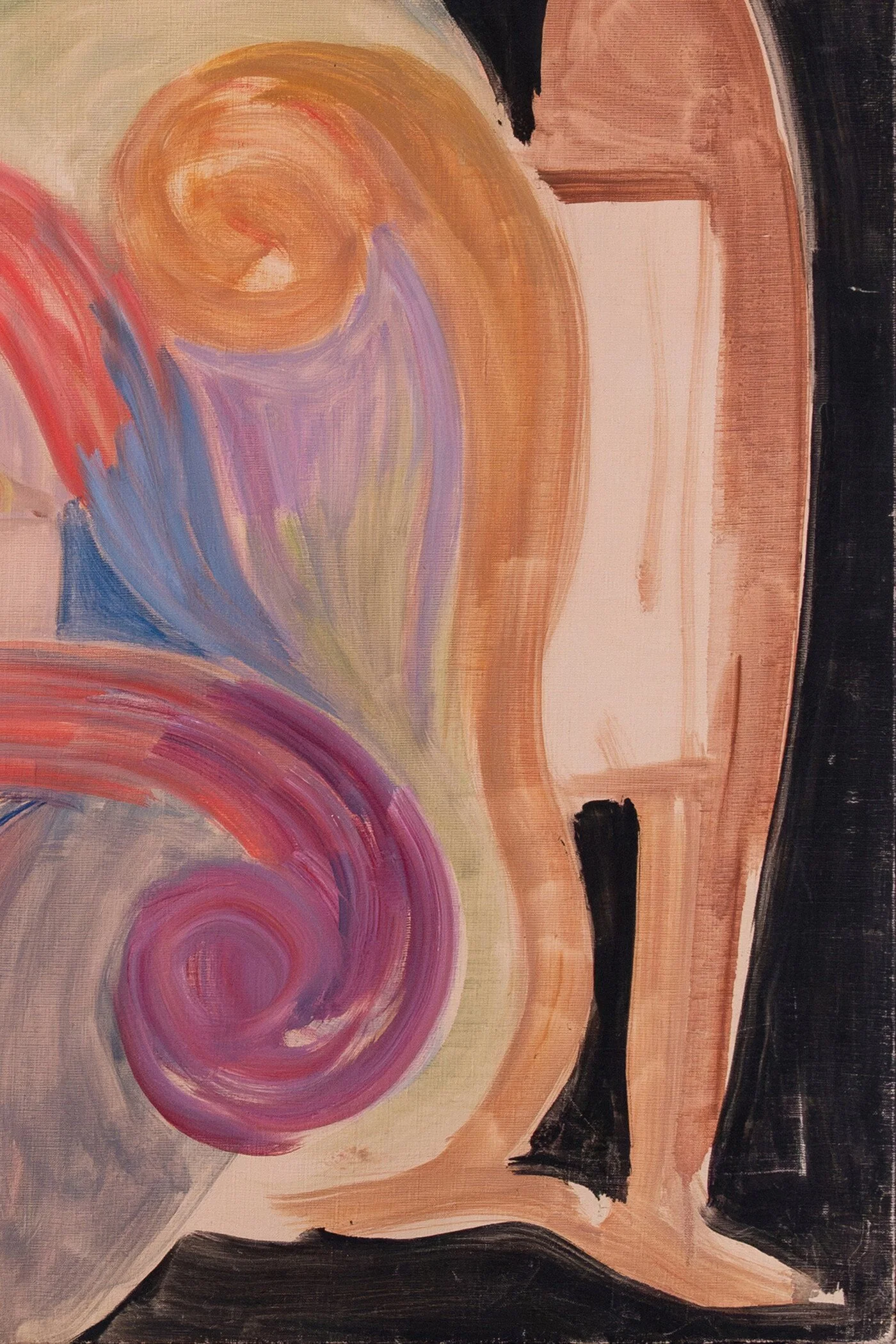
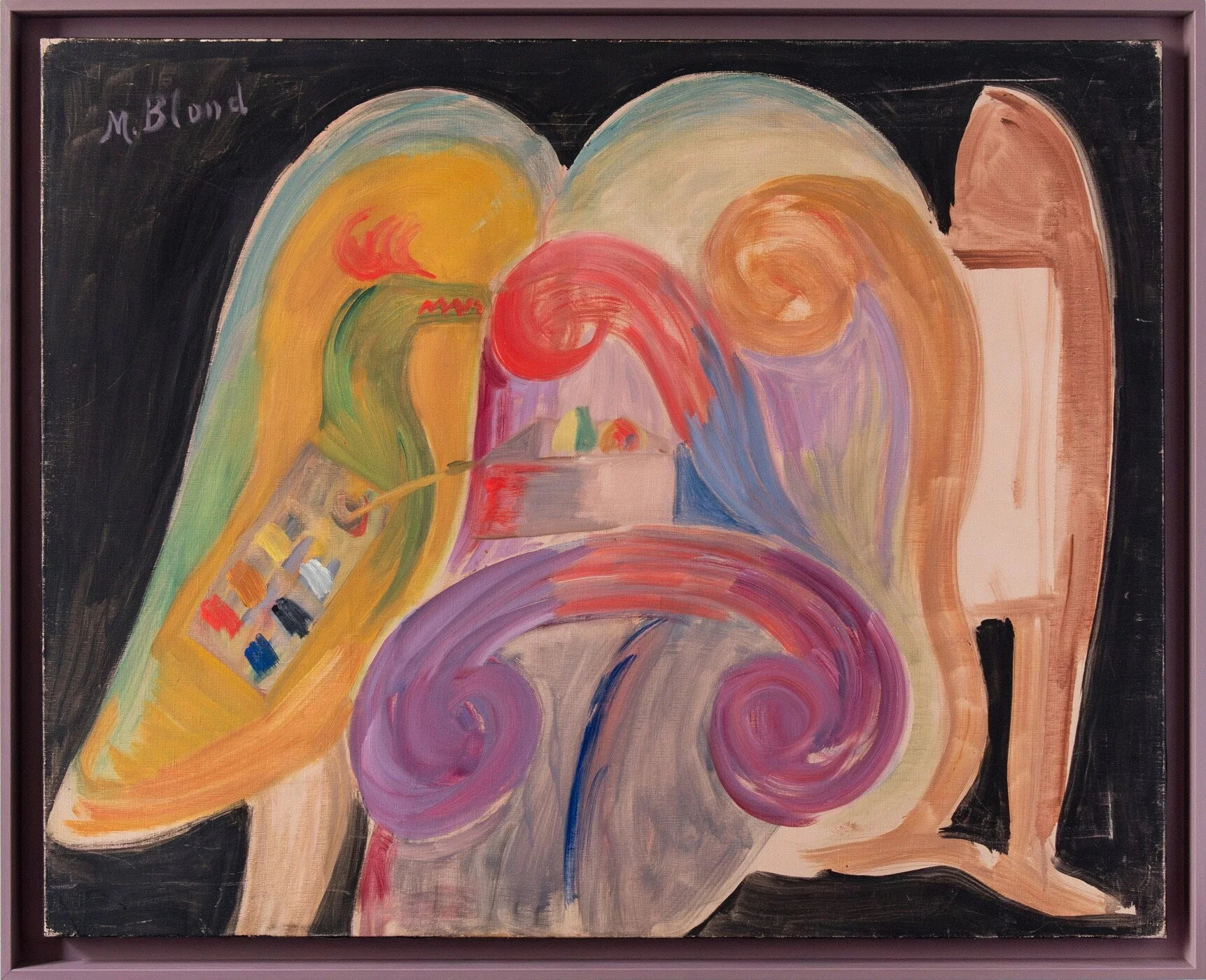
A 1948 oil study on canvas by Swiss painter Fernand Dubuis (1908–1991). The composition depicts a cellist in tuxedo and bow tie, set at the centre, surrounded by abstract geometric shapes and patterns that animate the background and emphasise the vertical format of the work.
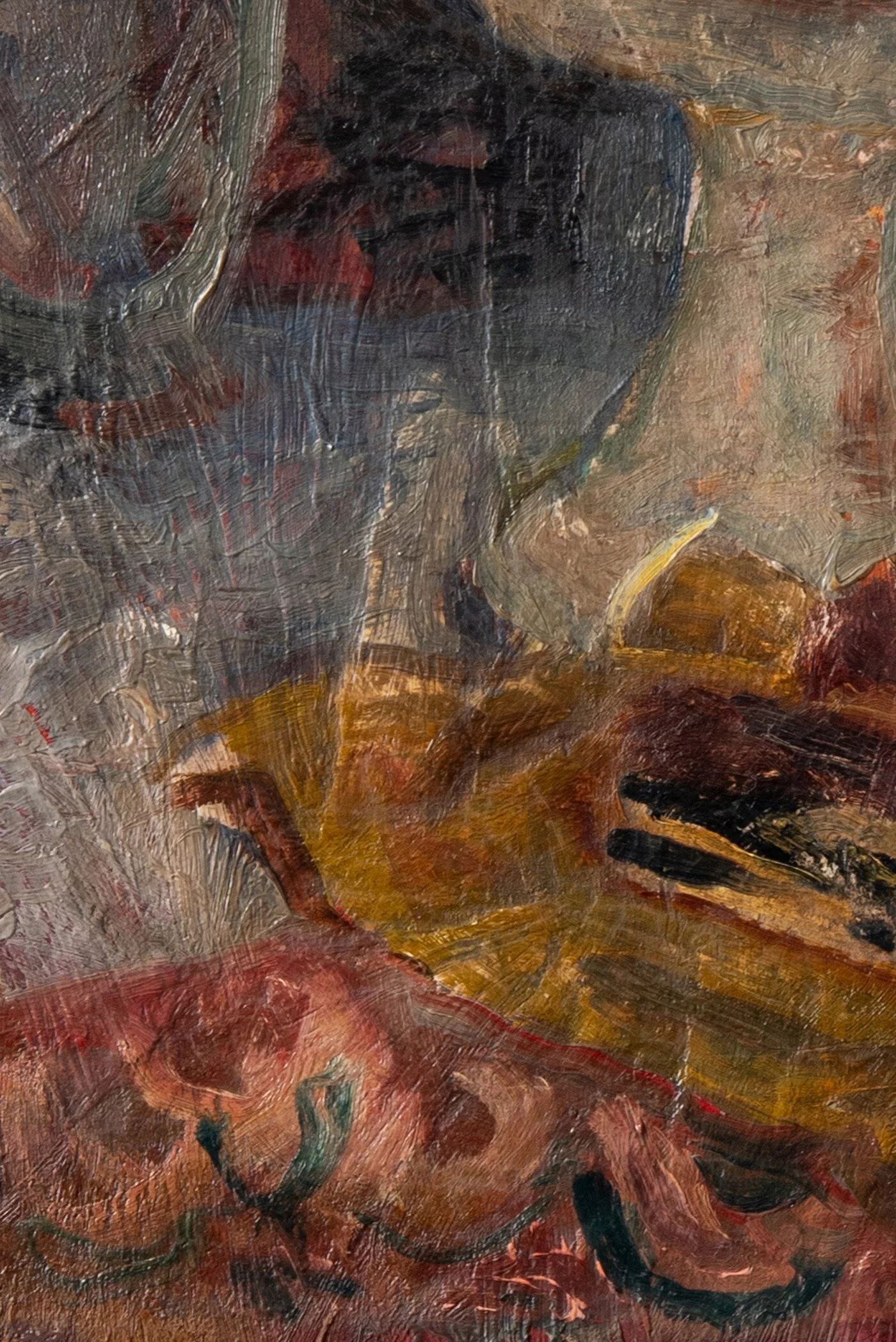
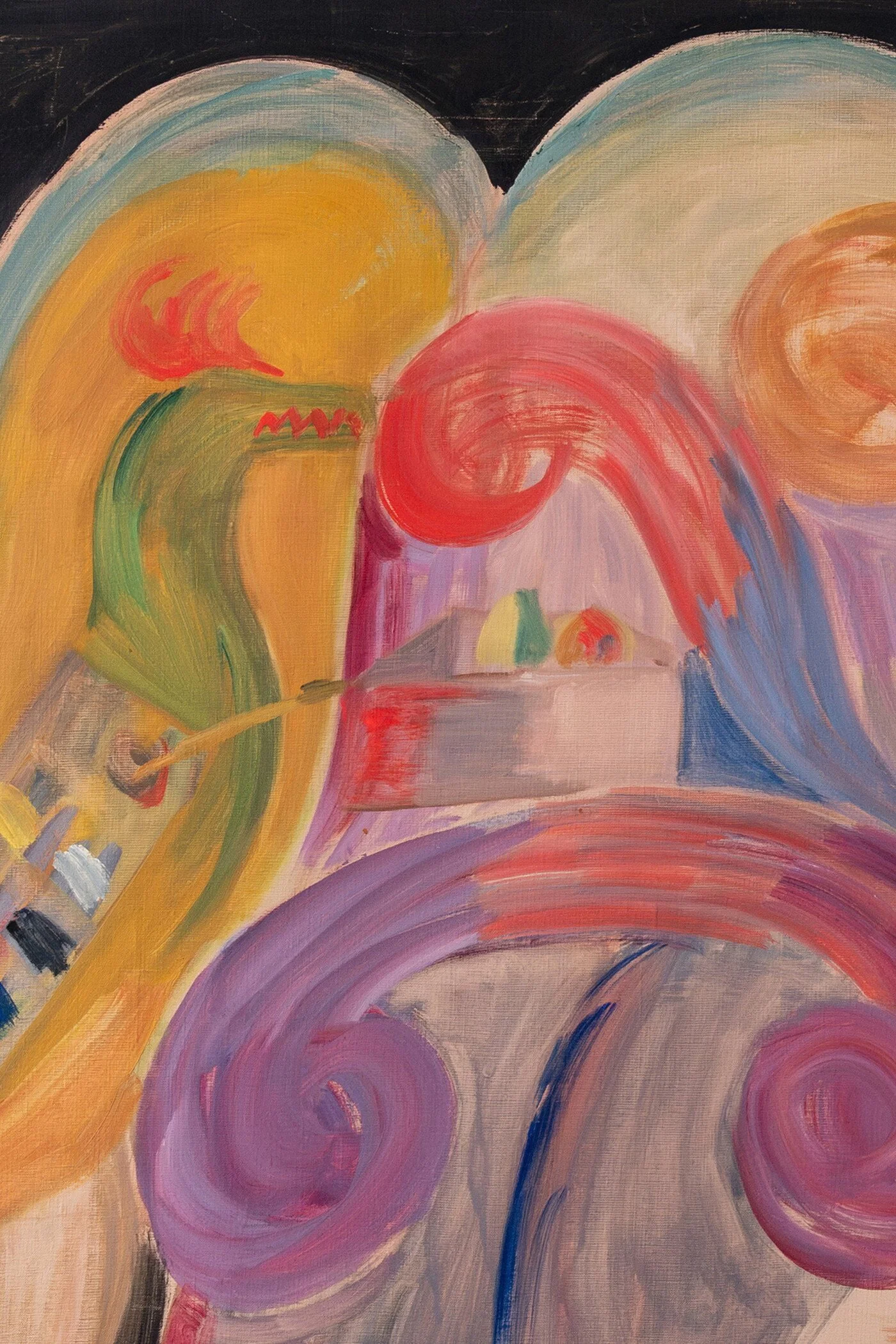
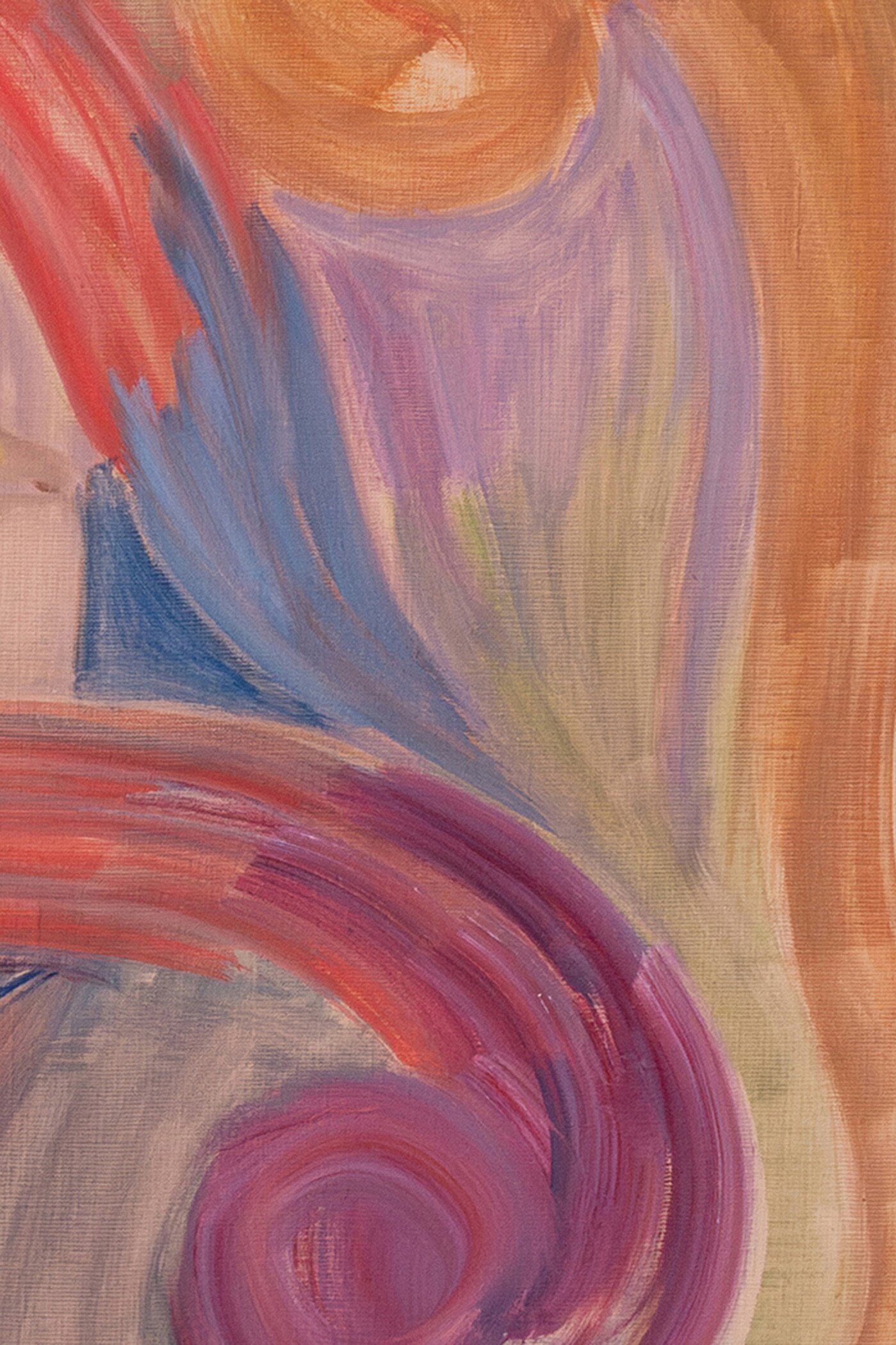
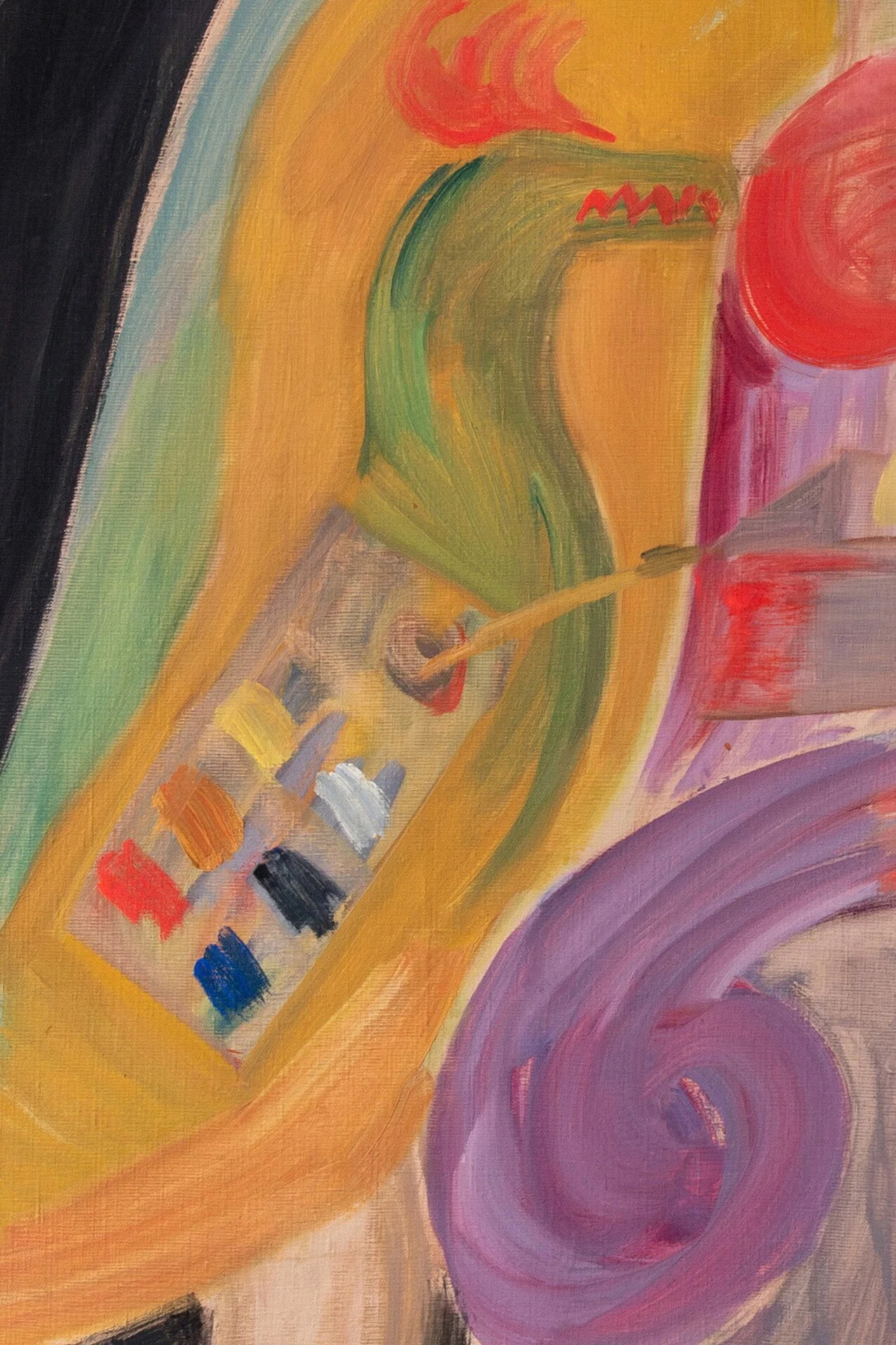
The cellist and cello are rendered in expressive brushwork, the curved form of the instrument set in quiet contrast against the angular lines of the tuxedo. The background is vivid and decorative — a clash of geometric shapes in reds, blues, purple, yellow and brown, some rendered in broad strokes, others in finer feather-like brushwork, recalling the colourful elements of a staged interior. Dark and white highlights lend depth to the shapes, while the geometry of the tuxedo merges the figure with its surroundings. The rhythm of the composition echoes the musical subject with compelling vitality.
Born in Sion, Switzerland, Dubuis moved to Paris in 1930, where he absorbed the currents of Fauvism, Cubism and Expressionism, working alongside artists including Raoul Dufy, Fernand Léger and André Lhote. His works of the 1940s are characterised by expressionist brushwork and near-Cubist form. This work showcases his interest in music, shared with many contemporary artists. The Musée d'Art du Valais de Sion holds a related portrait of a cellist by Dubuis, dated 1946.
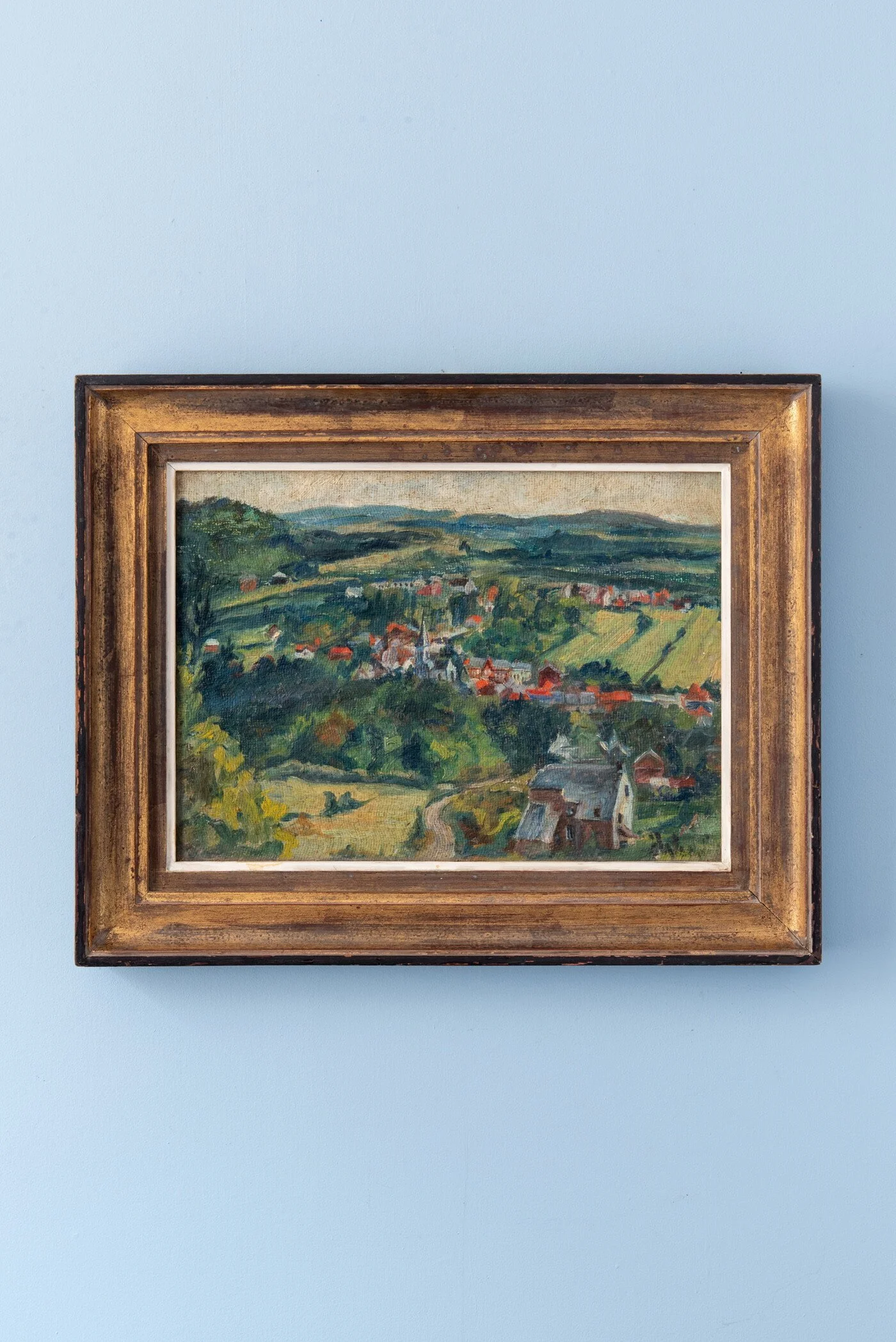
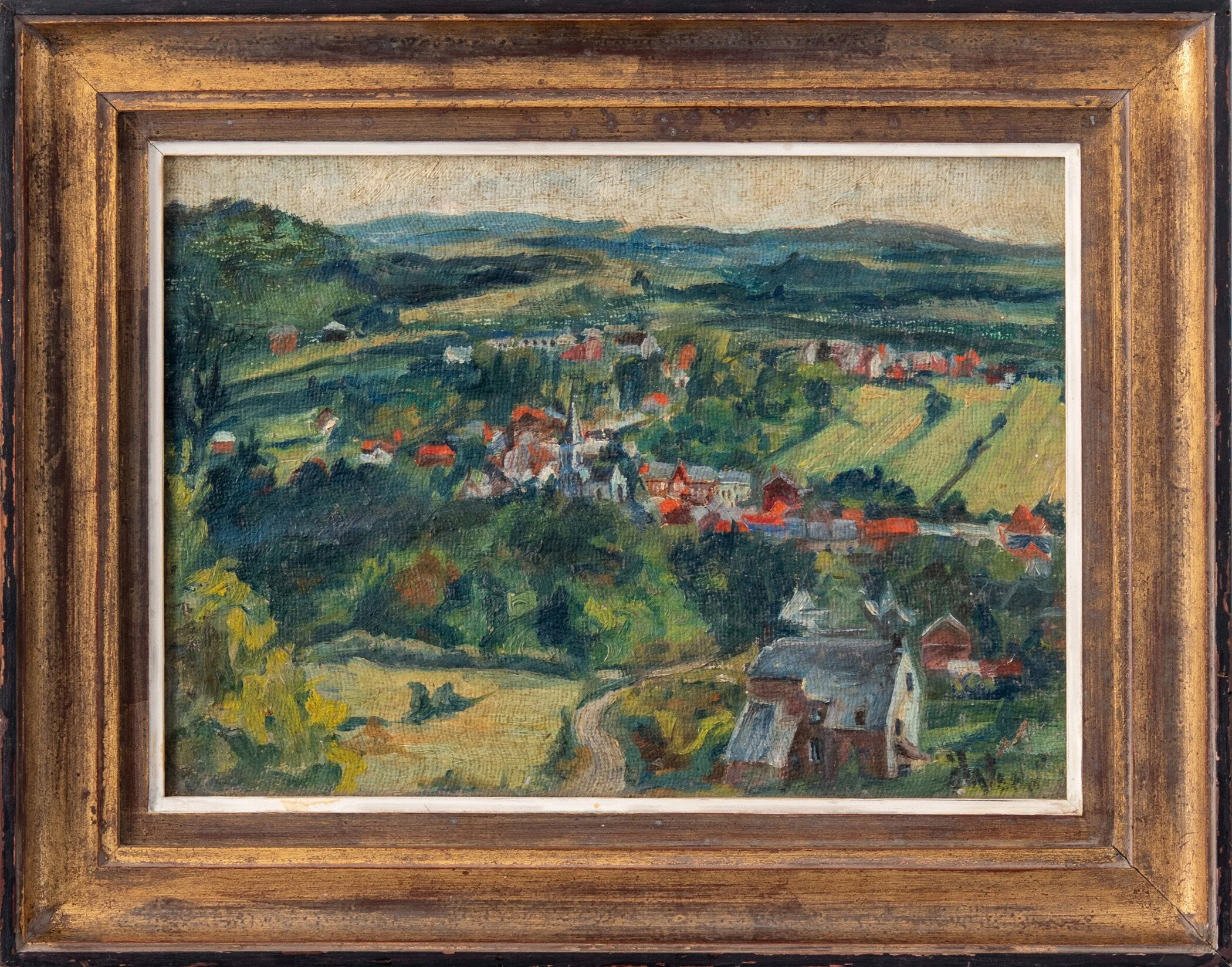
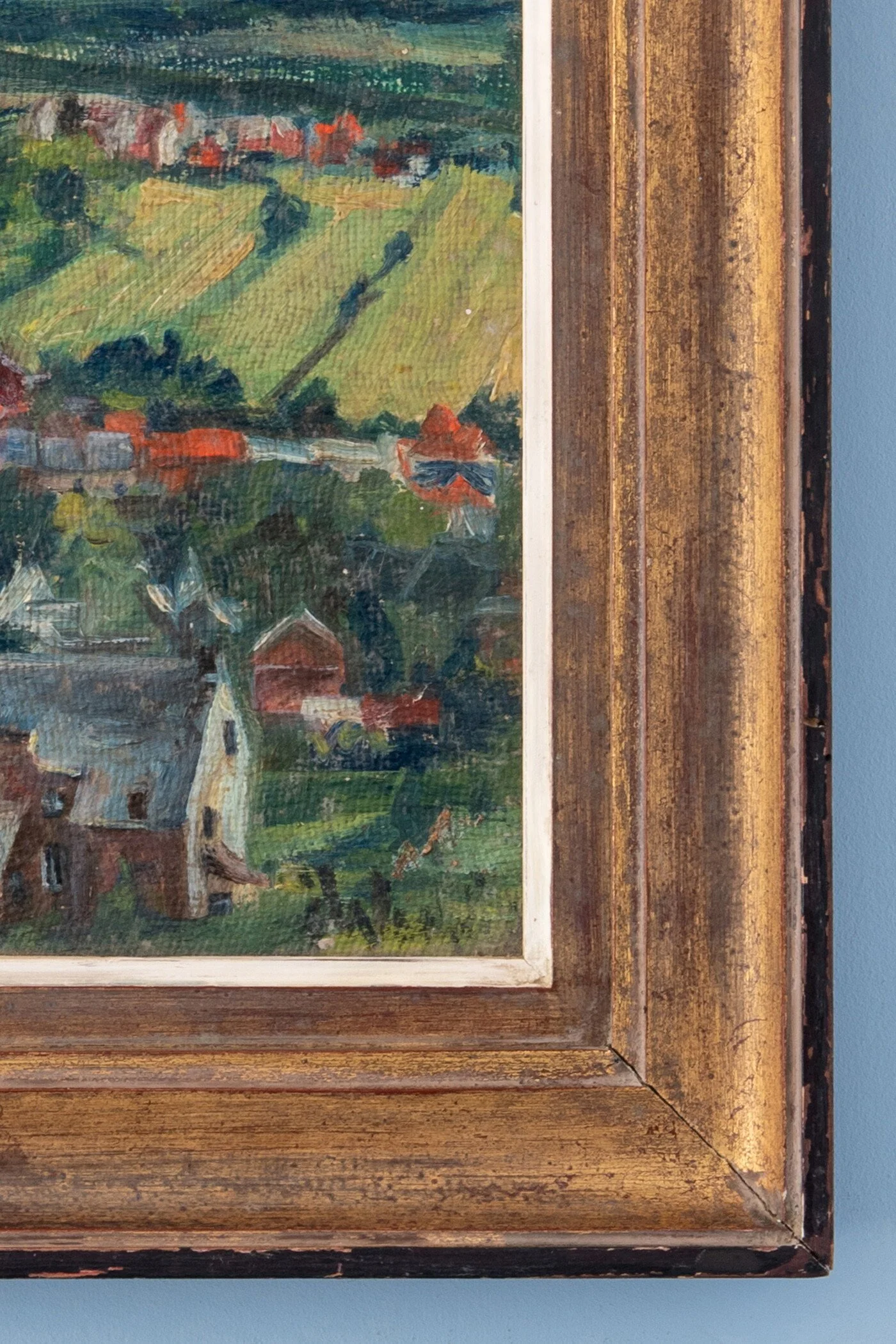
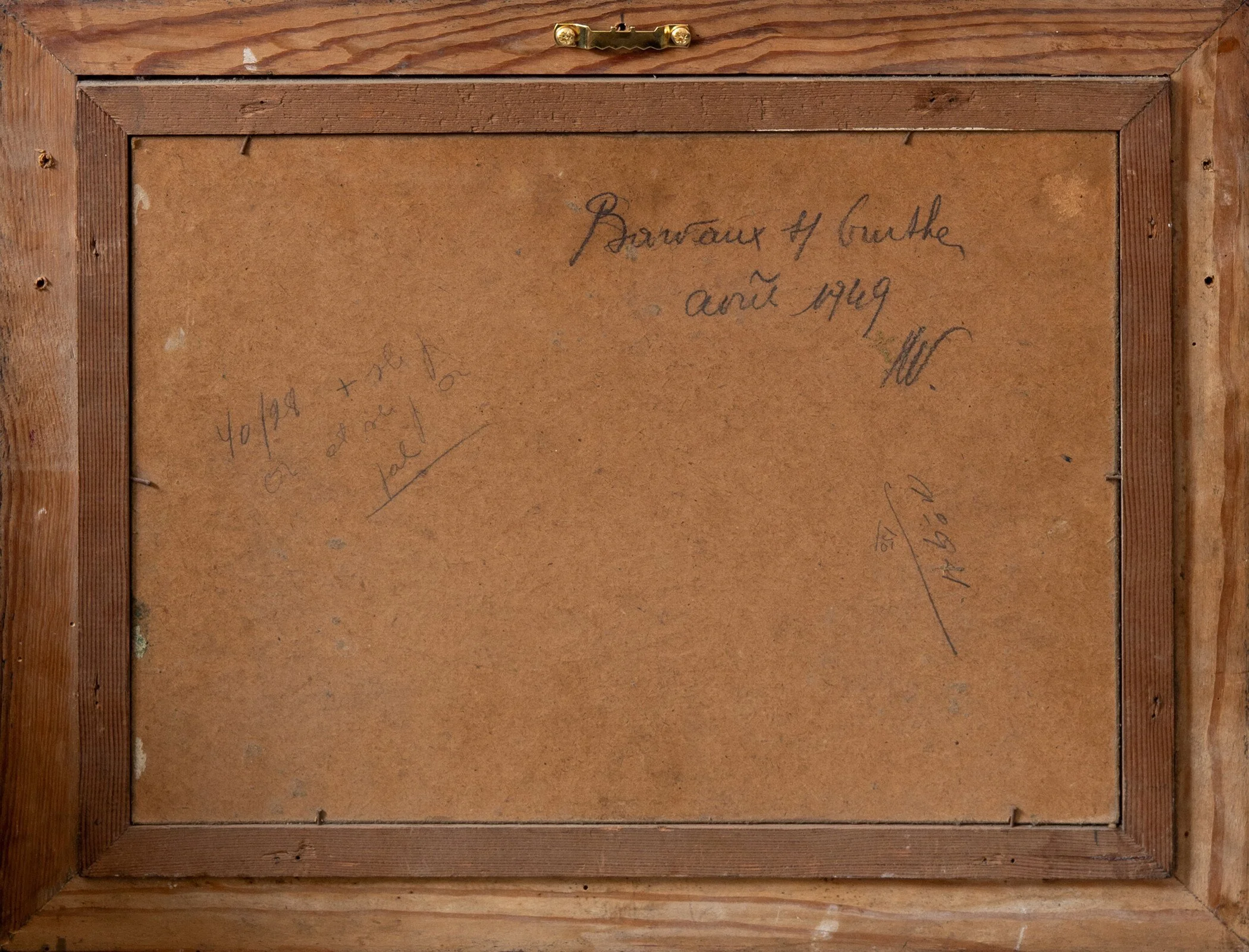
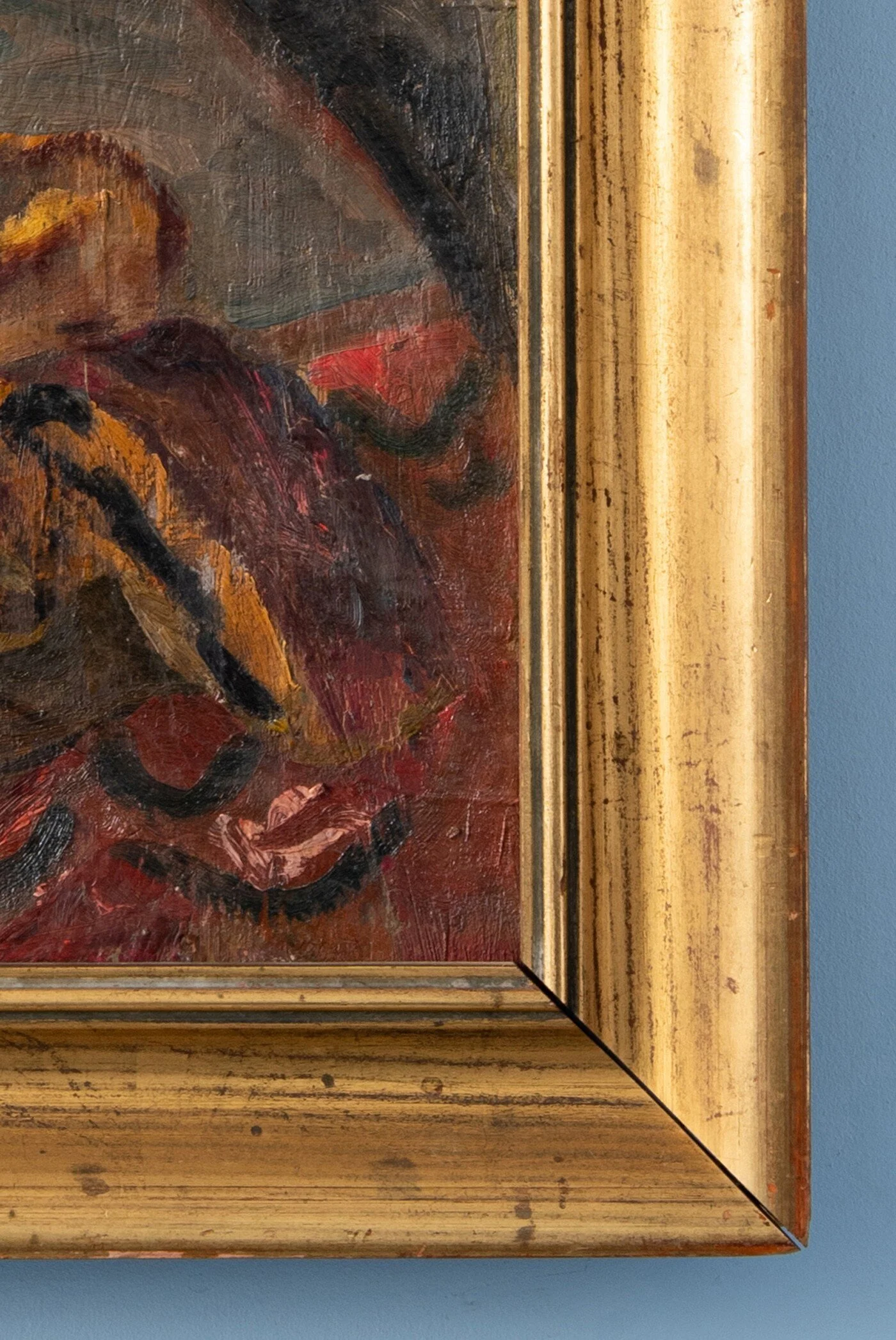
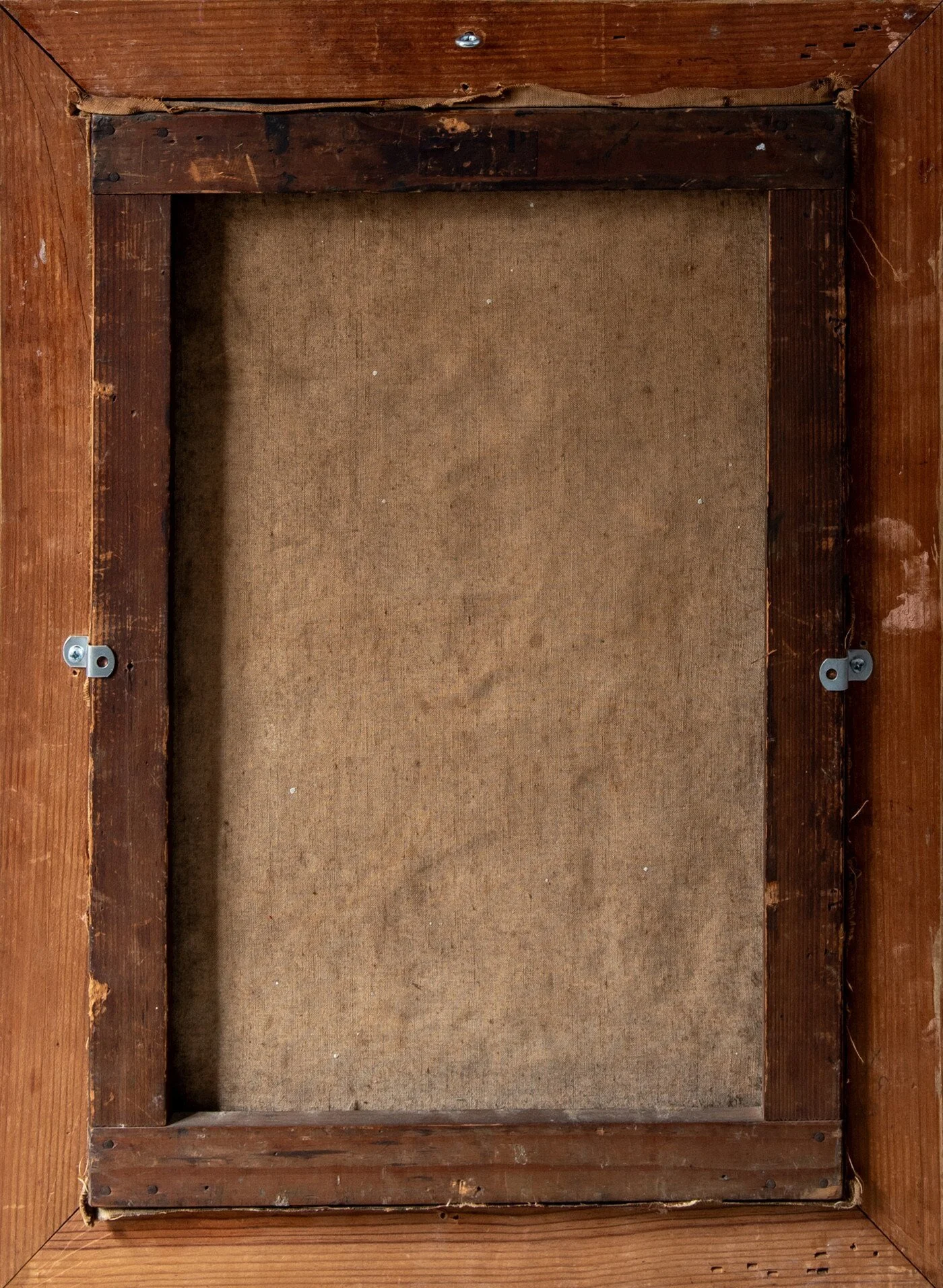
Signed, dated and titled verso. Presented in a black and gilded frame. A rare work, combining bold colour, expressive brushwork and a rich decorative sensibility.
A 1948 oil study on canvas by Swiss painter Fernand Dubuis (1908–1991). The composition depicts a cellist in tuxedo and bow tie, set at the centre, surrounded by abstract geometric shapes and patterns that animate the background and emphasise the vertical format of the work.
The cellist and cello are rendered in expressive brushwork, the curved form of the instrument set in quiet contrast against the angular lines of the tuxedo. The background is vivid and decorative — a clash of geometric shapes in reds, blues, purple, yellow and brown, some rendered in broad strokes, others in finer feather-like brushwork, recalling the colourful elements of a staged interior. Dark and white highlights lend depth to the shapes, while the geometry of the tuxedo merges the figure with its surroundings. The rhythm of the composition echoes the musical subject with compelling vitality.
Born in Sion, Switzerland, Dubuis moved to Paris in 1930, where he absorbed the currents of Fauvism, Cubism and Expressionism, working alongside artists including Raoul Dufy, Fernand Léger and André Lhote. His works of the 1940s are characterised by expressionist brushwork and near-Cubist form. This work showcases his interest in music, shared with many contemporary artists. The Musée d'Art du Valais de Sion holds a related portrait of a cellist by Dubuis, dated 1946.
Signed, dated and titled verso. Presented in a black and gilded frame. A rare work, combining bold colour, expressive brushwork and a rich decorative sensibility.

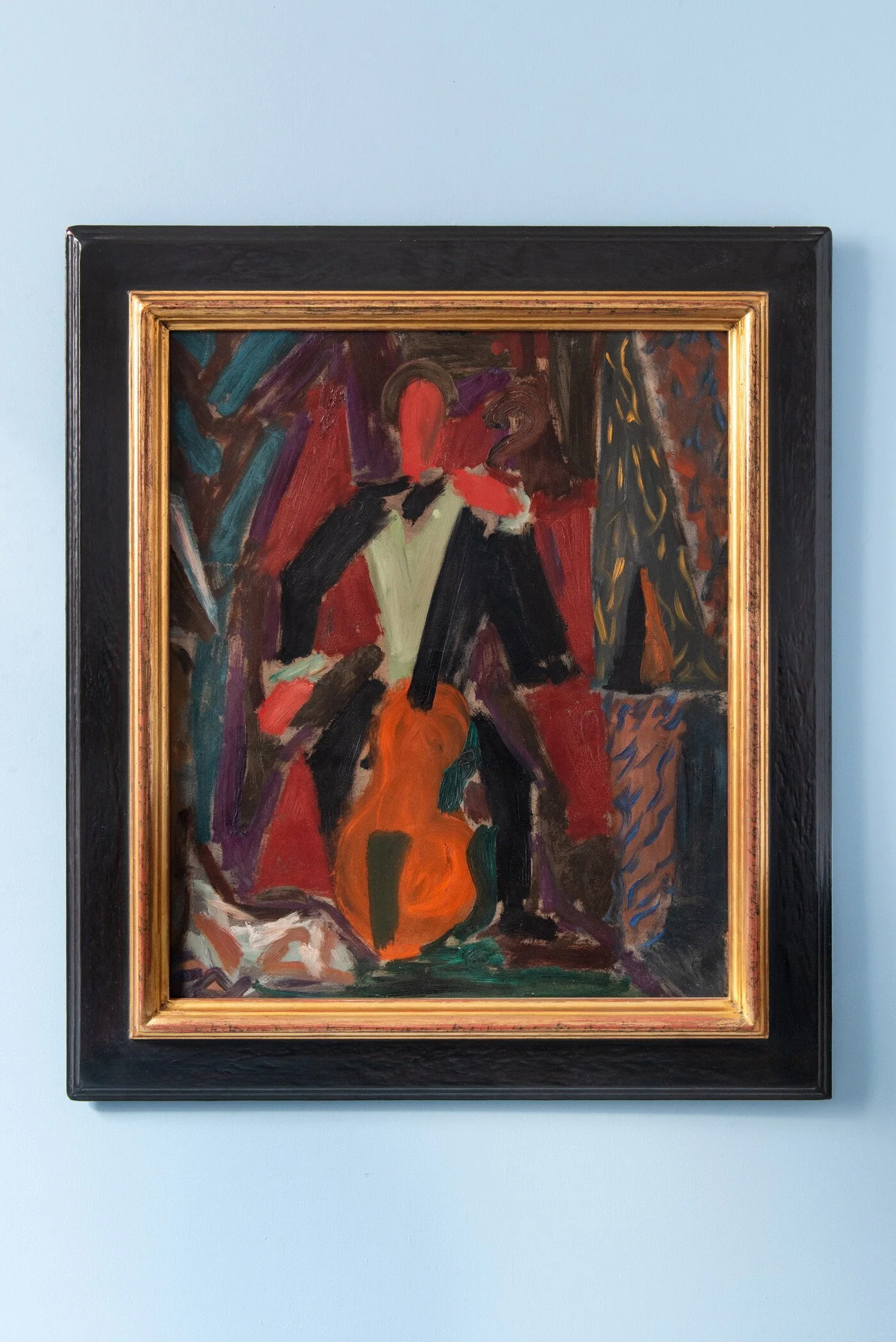 Image 1 of 10
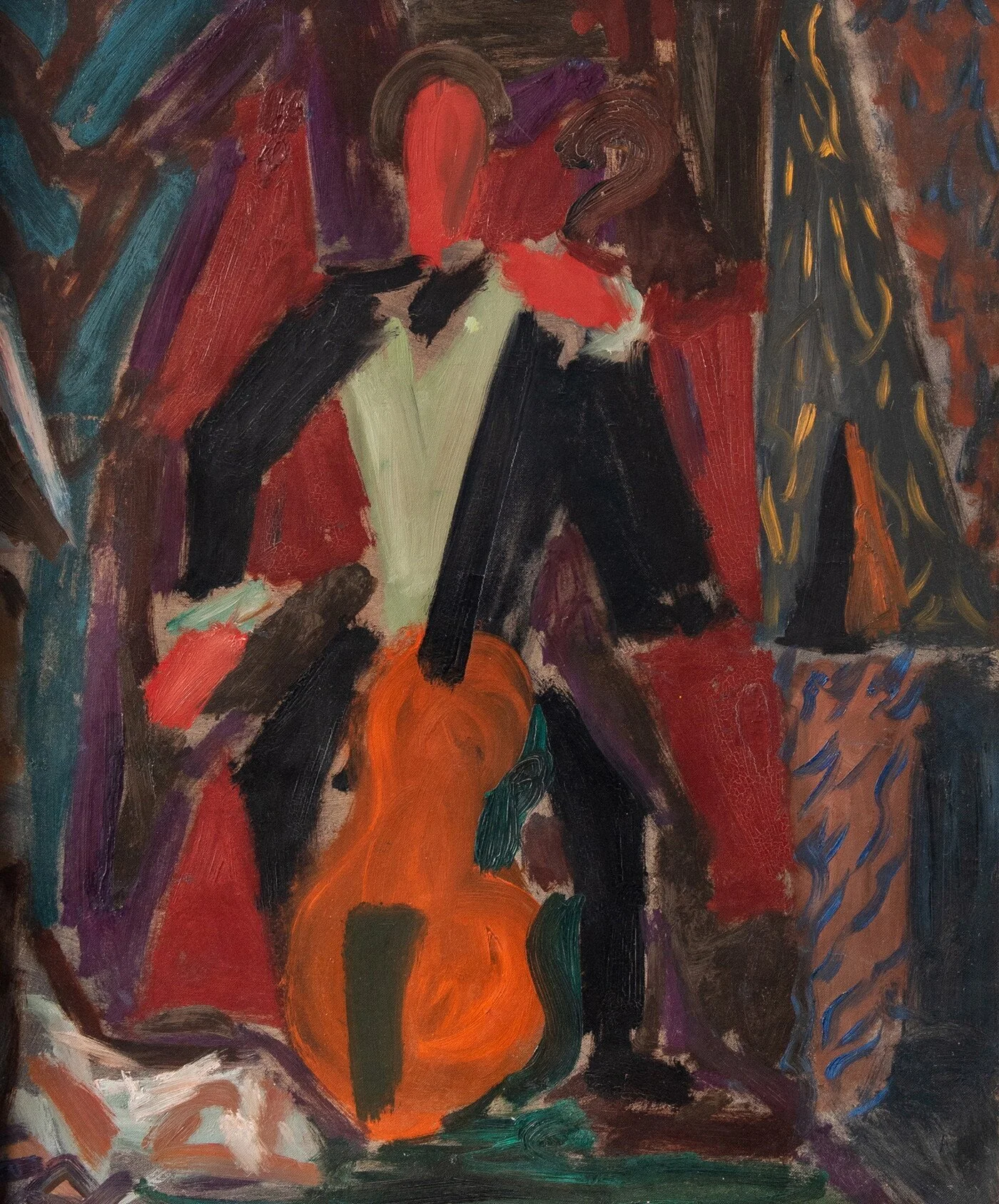 Image 2 of 10
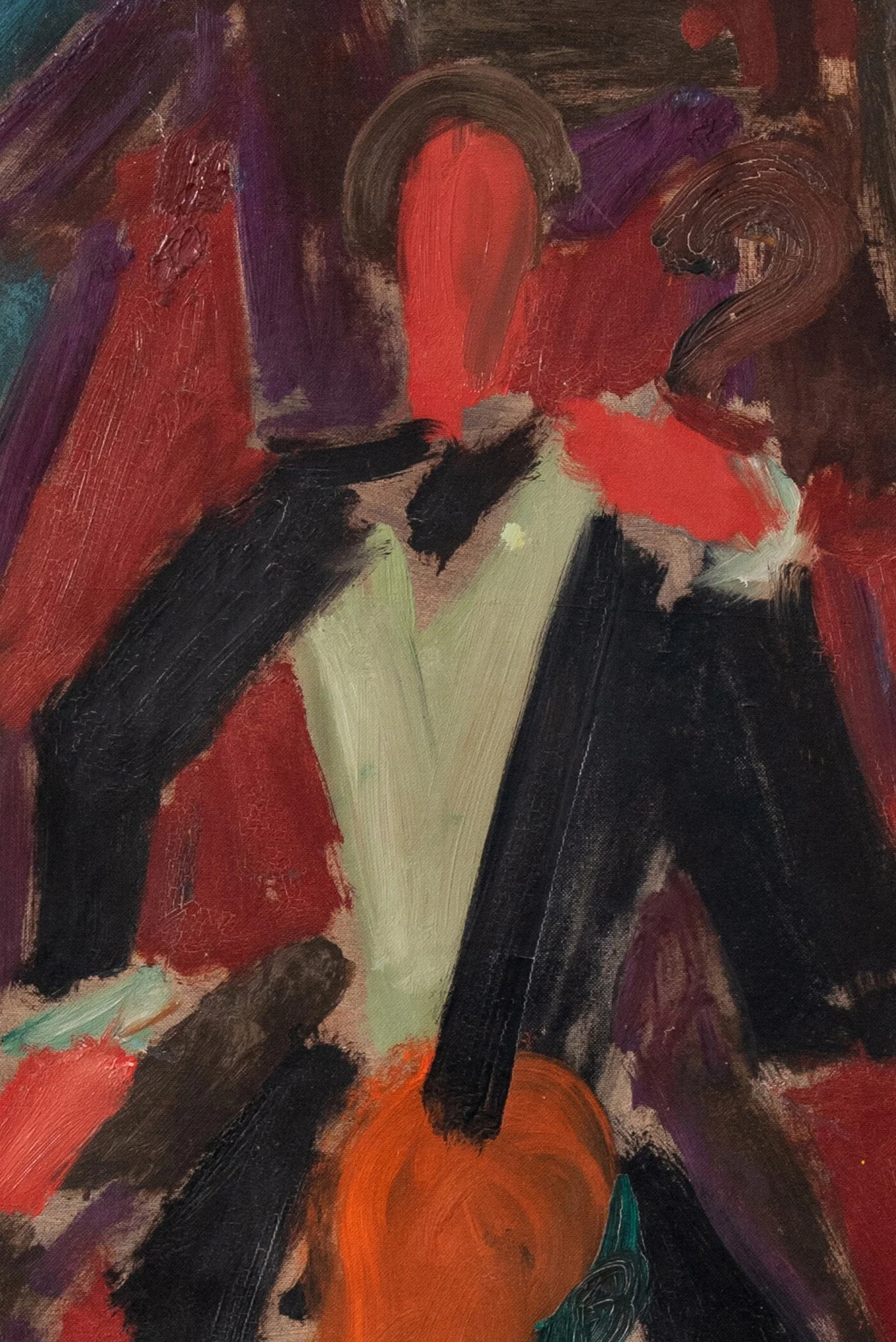 Image 3 of 10
 Image 4 of 10
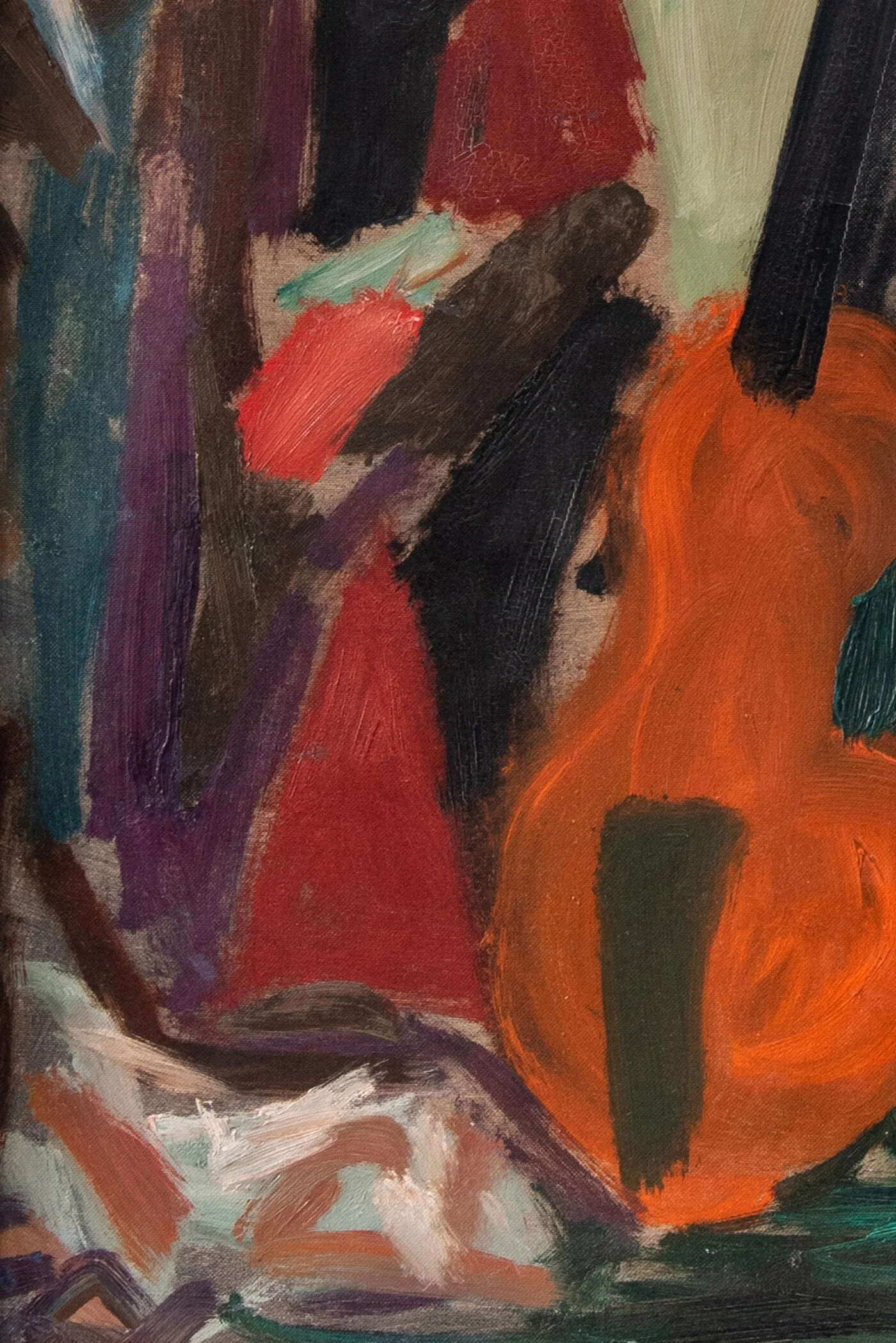 Image 5 of 10
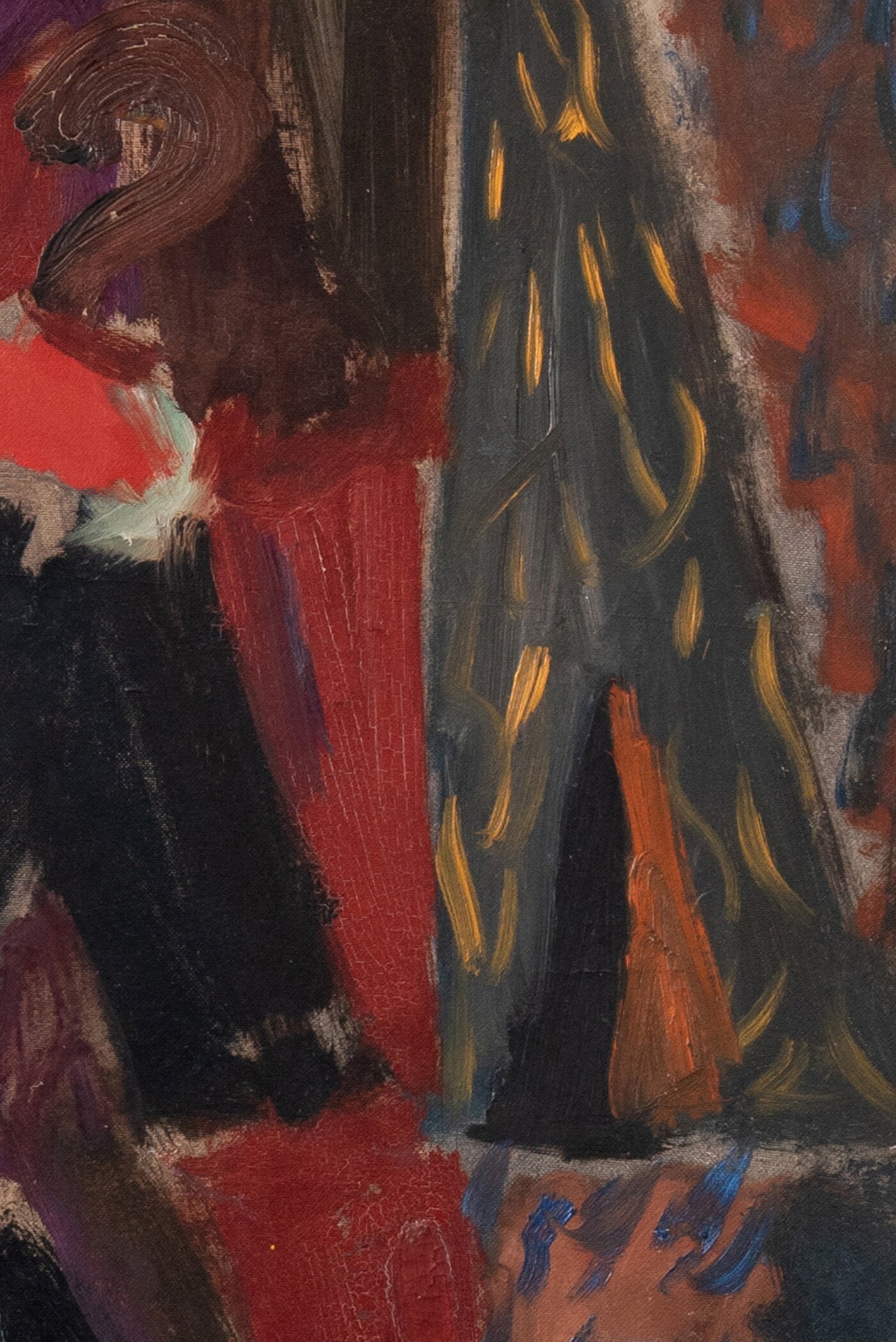 Image 6 of 10
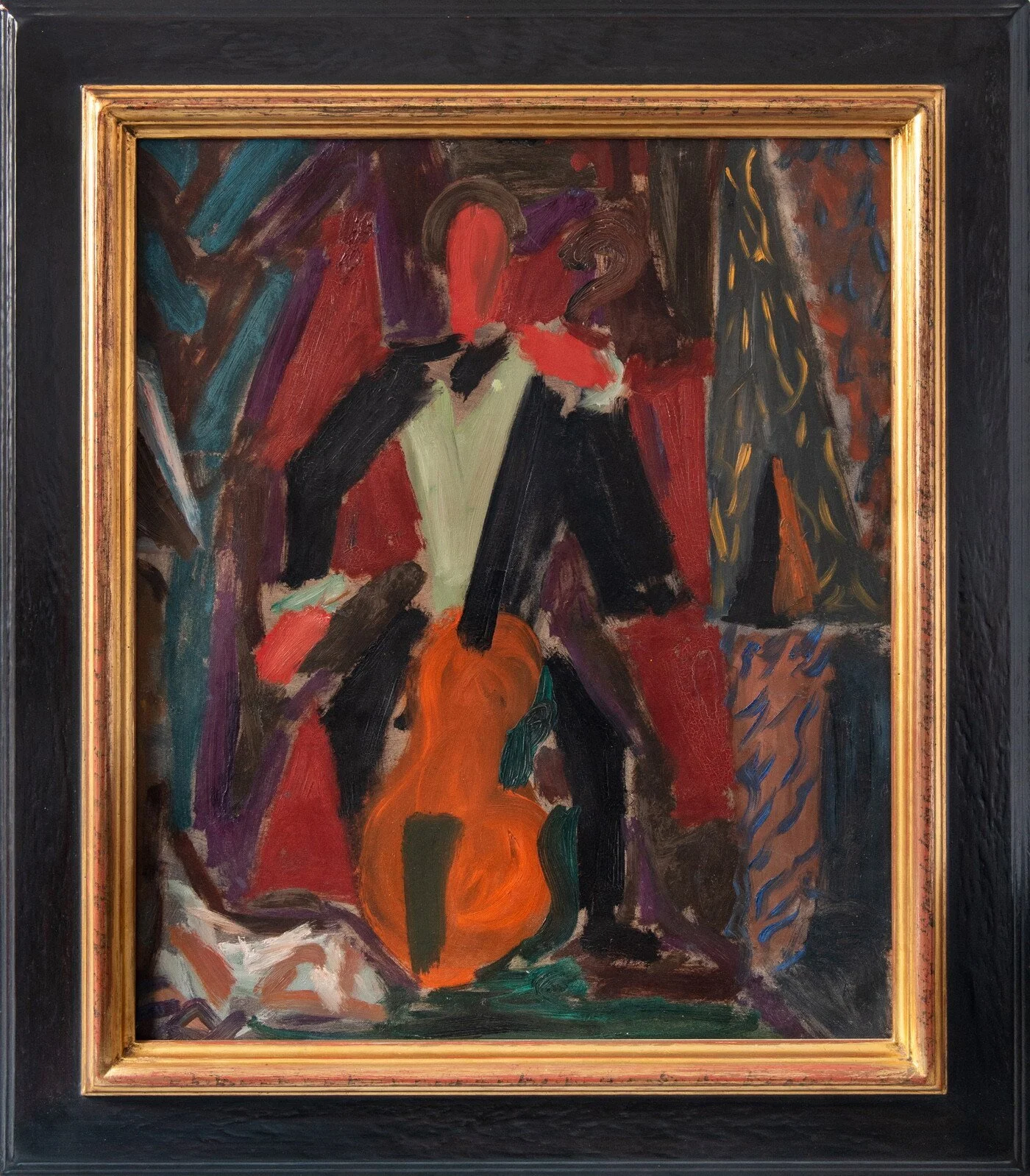 Image 7 of 10
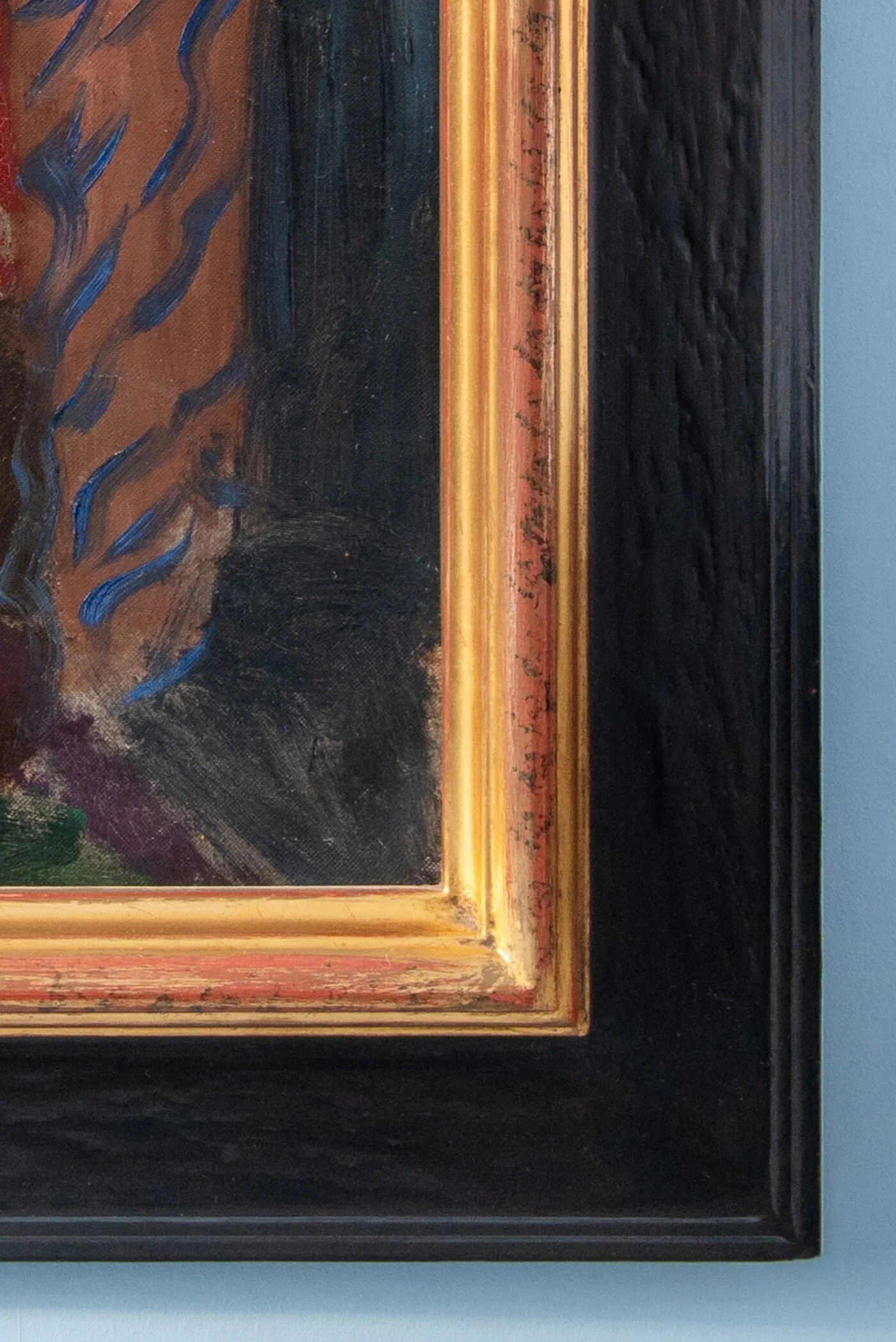 Image 8 of 10
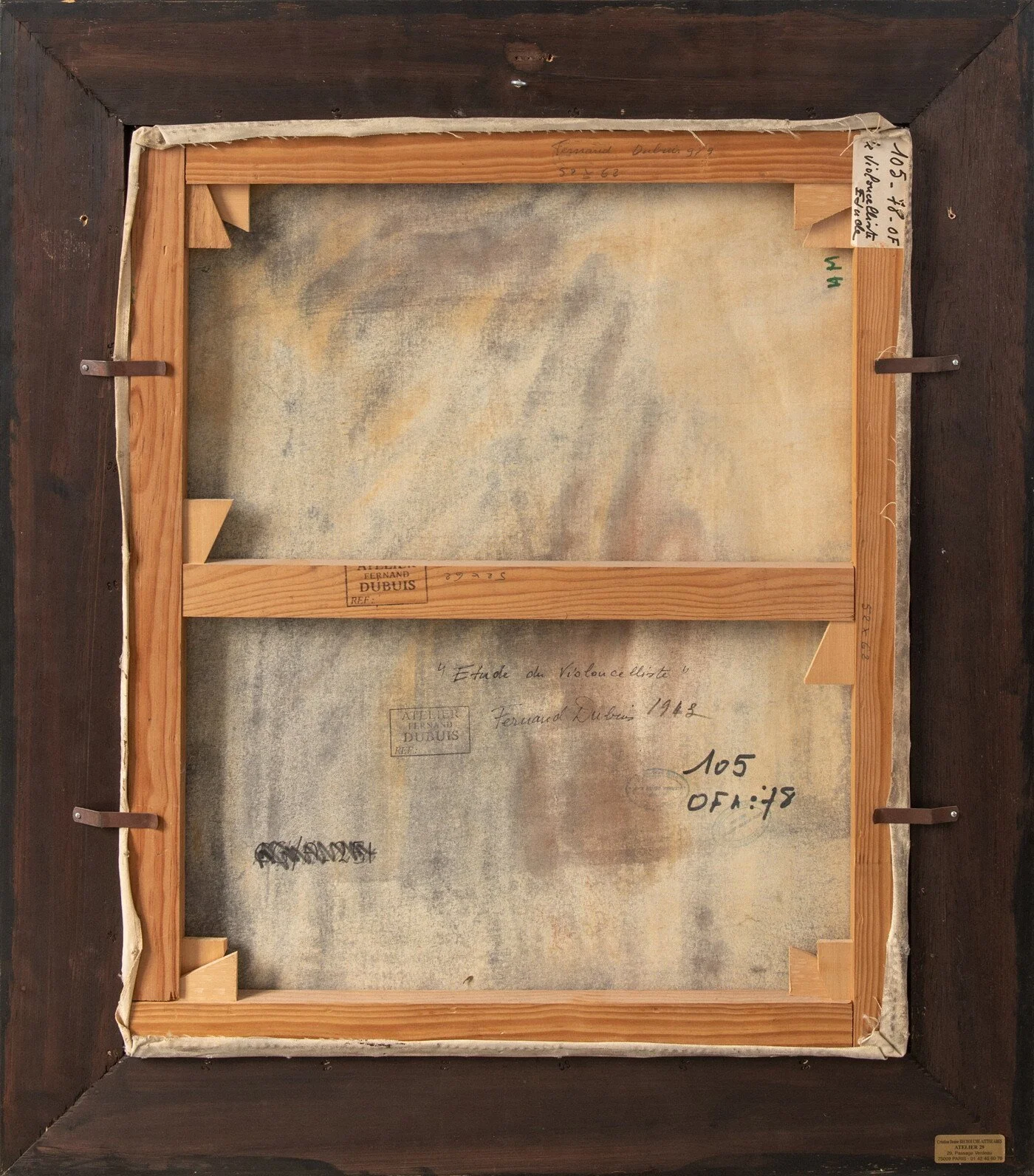 Image 9 of 10
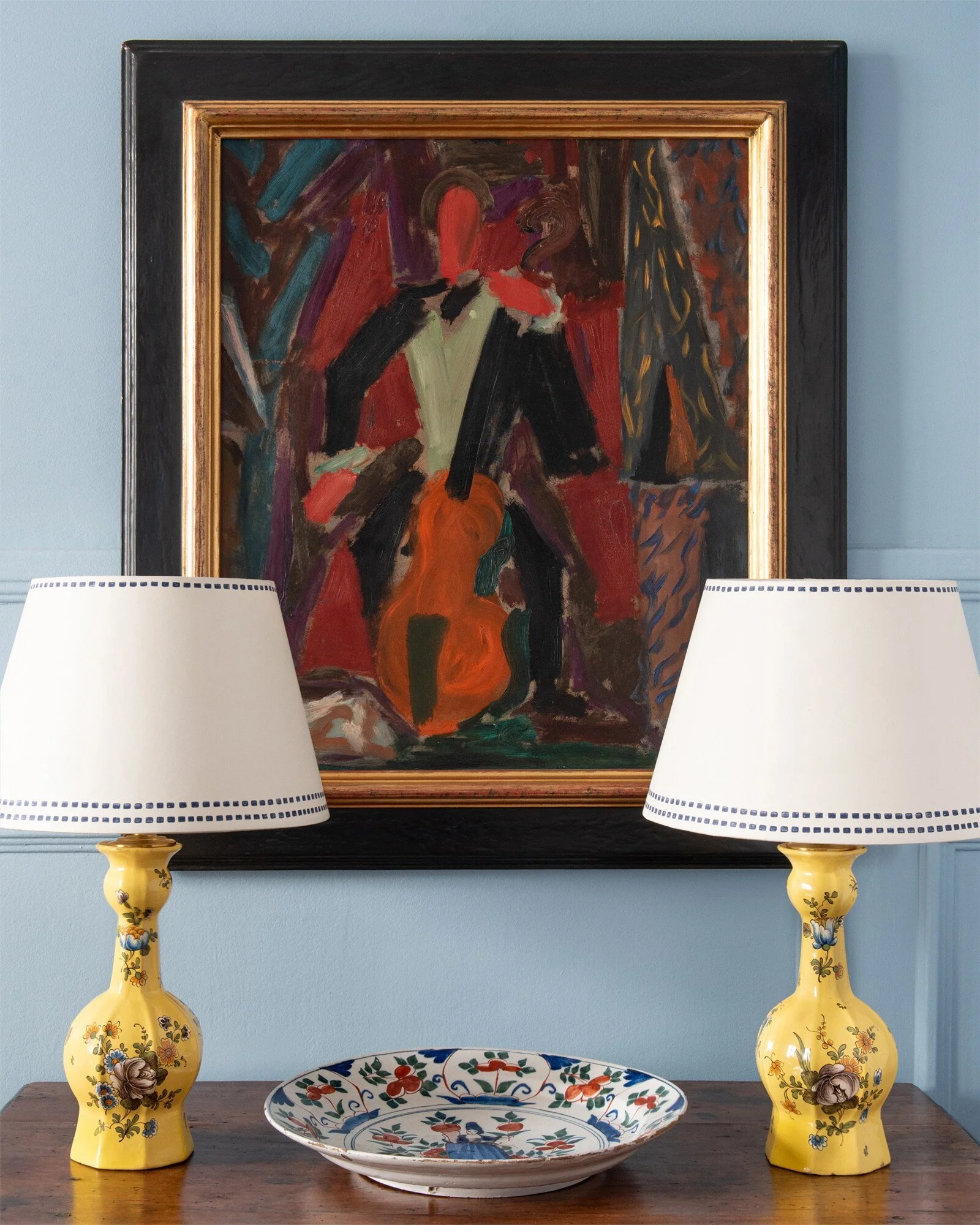 Image 10 of 10